



Choosing between gas and electric heating is about more than just picking a system. The decision affects comfort levels, energy use, long-term cost savings, and how evenly heat moves through your living space. When comparing gas vs electric heat, homeowners should look at how each option handles efficiency, comfort, and overall performance across the areas of your home.
This guide breaks down the key factors that influence heating your home so you can choose a cost effective solution that fits your needs.
Gas vs Electric Heat and Whole-Home Comfort
Understanding gas vs electric heat starts with how each system delivers hot air throughout your house. Gas furnaces typically heat air quickly and distribute it forcefully, which can be helpful in colder climates. Electric systems, including heat pumps, tend to provide more gradual and consistent heat distribution.
Comfort levels often depend on how evenly heat reaches different areas of your home. Homes with poor airflow or layout challenges may notice temperature differences from room to room, regardless of system type.
Humidity and Heating Performance
One often overlooked factor is humidity and heating. Gas systems can contribute to dry air during winter, which may lead to discomfort such as dry skin or irritated sinuses. Electric heat pumps usually maintain more balanced humidity levels, especially when paired with proper insulation.
Managing dry air is important for winter comfort tips, and homeowners may need humidifiers regardless of which system they choose.
The Role of Insulation and Air Sealing
No heating system can perform well without proper insulation. Heat escapes quickly through poorly insulated attics, walls, and crawl spaces, increasing utility bills and wasting energy.
Simple insulation tips include upgrading attic insulation and checking wall cavities in older homes. Sealing air leaksaround windows and doors is just as important. Small gaps allow hot air to escape and cold air to enter, forcing heating and cooling systems to work harder.
Unsealed air leaks reduce comfort and increase costs, no matter which heating system you use.
Heat Pumps vs Traditional Systems
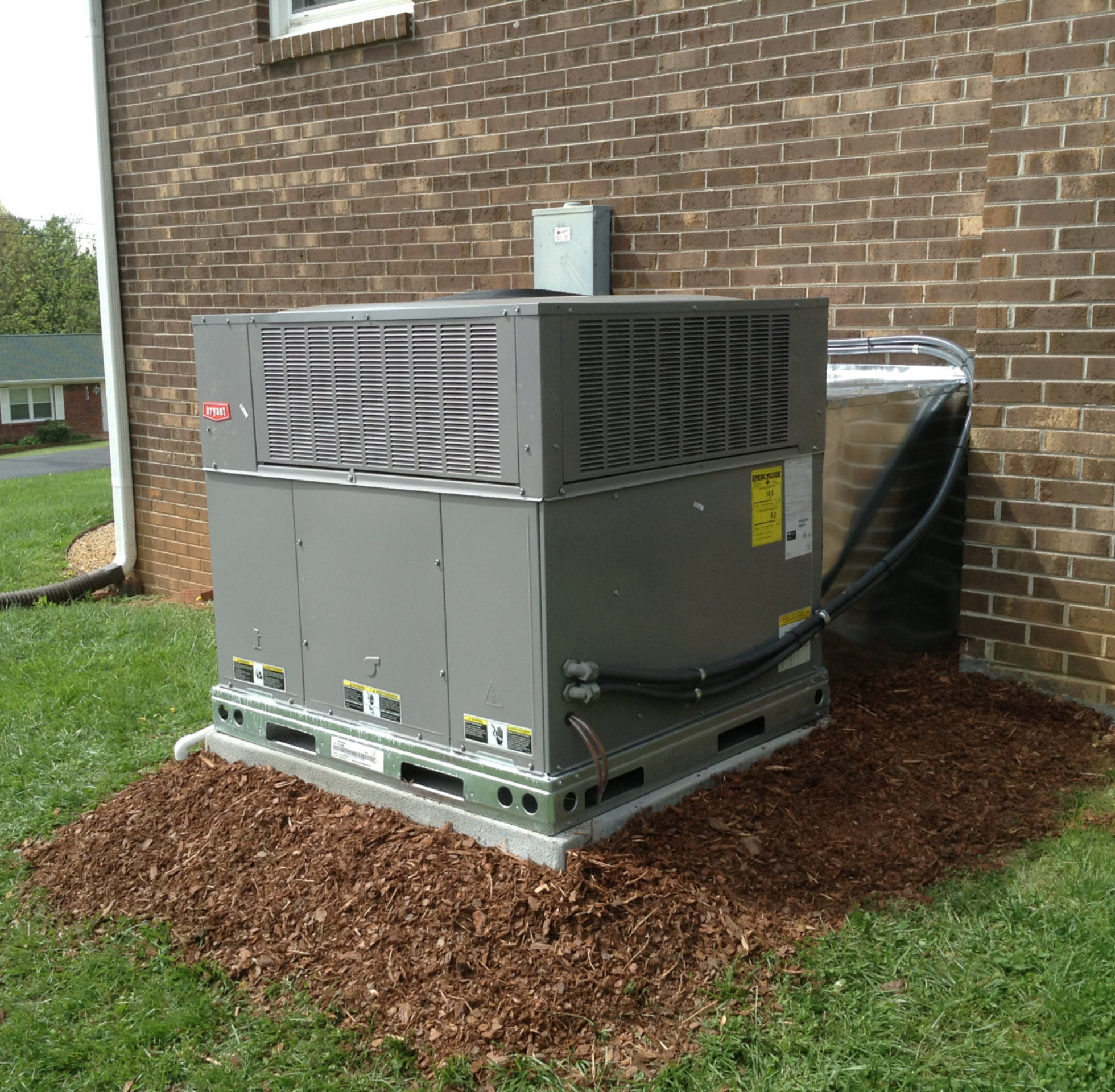
Modern heat pumps are becoming popular alternatives to traditional gas furnaces. Heat pumps move heat rather than create it, making them highly efficient in moderate climates. They also work with your air conditioner as part of a single heating and cooling solution.
Gas systems still perform well in extreme cold, but advances in heat pump technology continue to close the performance gap.
Heat Distribution and Zoning Options
Even heat distribution is critical for comfort. Poor airflow can leave some rooms too warm while others stay cold. This is where zoning system benefits become important.
Zoned systems allow homeowners to control temperatures in different areas of your home independently. This improves comfort levels and reduces wasting energy in unused spaces. Zoning works with both gas and electric systems and can significantly improve hvac energy savings.

Smart Thermostats and Energy Control
Smart thermostats play a major role in modern energy management. These devices learn usage patterns and adjust temperatures automatically to save energy while maintaining comfort.
Smart thermostats work with most heating and cooling systems and help reduce unnecessary runtime. Over time, this leads to noticeable cost savings and lower utility bills without sacrificing comfort.
Heating and Cooling Systems Working Together
Your heating system does not operate in isolation. It works alongside your air conditioning systems throughout the year. Choosing compatible heating and cooling systems improves efficiency and performance.
Homes with combined systems often experience smoother transitions between seasons and better overall comfort. Whether you use gas or electric heat, system compatibility matters.
Upfront Costs vs Long-Term Savings
One key difference in the gas vs electric heat comparison is upfront costs. Gas systems often cost more to install due to gas lines and venting requirements. Electric systems typically have lower installation costs, especially in homes without existing gas service.
Long-term cost savings depend on energy prices, system efficiency, and how well your home retains heat. Lower operating costs can offset higher upfront expenses over time.
Regular Maintenance and Efficiency
Regardless of system type poorly maintained equipment wastes energy, increases utility bills, and reduces lifespan.
Maintenance ensures components are clean, airflow is balanced, and the system operates as designed. Well-maintained systems deliver better heat distribution and more reliable winter performance.
Winter Comfort Tips for Any System
No matter which option you choose, simple winter comfort tips can improve results. Keep vents open, maintain clear airflow, and avoid blocking returns with furniture. Ensure doors between rooms allow proper circulation so hot air can move freely.
These steps improve comfort and help save energy during colder months.
Making the Right Choice for Your Living Space
The best heating solution depends on your climate, budget, and the size of your living space. Gas systems may suit colder regions with access to affordable fuel. Electric systems and heat pumps offer flexibility, efficiency, and strong environmental benefits.
When evaluating gas vs electric heat, consider insulation quality, air leaks, smart controls, and how heat moves through your home. Addressing these factors leads to better comfort, lower costs, and long-term satisfaction.
Final Thoughts on Electric vs Gas Heat
Choosing between gas and electric heat is not just about the system itself. It is about how well your home supports that system. With proper insulation, sealed windows and doors, smart thermostats, and regular maintenance, both options can be cost effective and efficient.
By focusing on heat distribution, humidity control, and energy use, homeowners can reduce wasting energy, improve comfort levels, and enjoy meaningful cost savings year after year.