



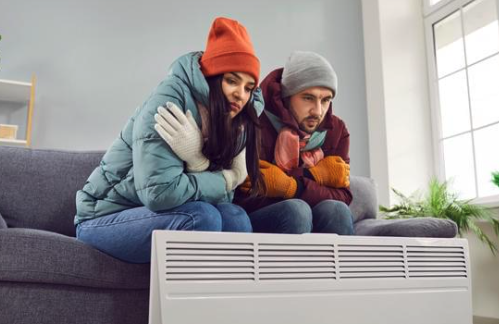
When winter temperatures drop, most homeowners do the same thing first. They turn up the thermostat and hope the house feels warmer.
Sometimes that works. Most of the time it just leads to higher energy bills, rising utility bills, and a heating and cooling system that has to work harder all day long.
True comfort is not just about blasting more heat. It is about keeping warm air inside, improving heat distribution, and helping your system run efficiently. When your home holds heat properly, you can improve comfort without constantly raising temperature settings.
If you want to improve home heating comfort while still trying to save energy, these smart winter comfort tips will help you stay warm and reduce costs at the same time.
Seal Air Leaks Around Windows and Doors
One of the biggest causes of heat loss is air leaks.
Small cracks around windows and doors let warm air escape while cold air sneaks inside. Even tiny gaps can make your furnace run longer cycles and cause uneven temperatures between rooms.
Check areas like window frames, door thresholds, attic hatches, and exterior outlets. Sealing air leaks with weather stripping or caulk is a simple, cost effective fix that makes an immediate difference.
Once those leaks are closed, warm air stays inside longer, your system runs less often, and your energy bills drop. It is one of the fastest ways to improve home heating comfort without spending much money.
Balance Humidity and Heating
Humidity and heating go hand in hand.
Dry winter air makes your home feel colder than it actually is. When the air lacks moisture, heat leaves your body faster, which makes you feel chilly even if the thermostat says the temperature is fine.
Adding moisture helps the air feel warmer and more comfortable. A humidifier, cooking with hot water, or even longer showers can gently raise humidity levels.
When humidity is balanced, you often do not need to raise temperature settings as high. That leads to enhanced comfort and helps save energy over the long term.
Make Sure Your Home Is Properly Insulated
Insulation is what helps trap heat inside your home.
If your attic or walls are not properly insulated, hot air escapes quickly and your furnace has to run nonstop. This not only raises energy bills but also puts extra strain on your heating and cooling system.
A properly insulated home keeps warmth where it belongs and reduces the need for constant heating.
Helpful insulation tips include adding attic insulation, sealing crawl spaces, and using insulated curtains. These upgrades are cost effective and provide long term benefits. Better insulation means your system runs less often, which lowers utility bills and improves overall comfort.
Improve Heat Distribution
Sometimes the issue is not how much heat you produce but how well it moves through the house.
Poor heat distribution can leave one room too hot while another stays cold. Blocked vents, dirty filters, and furniture placed over registers prevent warm air from circulating properly.
Make sure vents are open and clear. Replace filters regularly. Use ceiling fans on low speed to push hot air down from the ceiling. These small changes help warm air spread evenly, especially in common areas like the living room.
When air flows freely, your system does not have to work harder to keep every room comfortable.
Use Smart Thermostats
Smart thermostats help you control comfort while reducing waste.
Instead of heating an empty home all day, smart thermostats adjust temperature settings based on your schedule. They can lower the temperature when you are away and warm the house before you return.
This improves HVAC energy savings and reduces unnecessary run time. When your system runs only when needed, you save energy and protect your equipment.
Over time, this leads to lower energy bills and a more efficient home without sacrificing comfort.
Consider Zoning System Benefits
If some areas of your home always feel colder or hotter than others, a zoning setup can help.
Zoning divides your home into separate areas with independent controls. This allows you to heat your home more precisely. Bedrooms, offices, or rarely used rooms do not need the same temperature as busy spaces.
The zoning system benefits include better comfort, lower energy use, and fewer hot or cold spots. By heating only the areas you use, your system runs smarter and more efficiently.
For larger homes, this upgrade can make a noticeable difference in both comfort and monthly costs.
Keep Up With Regular Maintenance
Even the best equipment cannot perform well without regular maintenance.
Dirty filters, clogged ducts, and worn parts reduce airflow and force the system to work harder. That extra strain leads to higher energy bills and uneven heating.
Simple service steps help your system run smoothly. Replace filters monthly and schedule professional tune ups each season. Regular maintenance keeps your system runs efficient and reliable, helping you heat your home without unnecessary stress on the equipment.
Comfort Comes From Efficiency
If your house always feels cold, turning the heat higher is rarely the best solution.
Instead, focus on sealing air leaks, improving insulation, balancing humidity and heating, upgrading smart thermostats, and taking advantage of zoning system benefits. These changes help warm air stay inside and improve heat distribution naturally.
When your home holds heat better, you improve comfort, reduce energy bills, and enjoy enhanced comfort all winter long.
That is how to improve home heating comfort the smart and cost effective way.